
Lees de columns in het Nederlands
reflections
weekly columns · each one paired with one of my works
beneath the surfacemove across it · click a theme
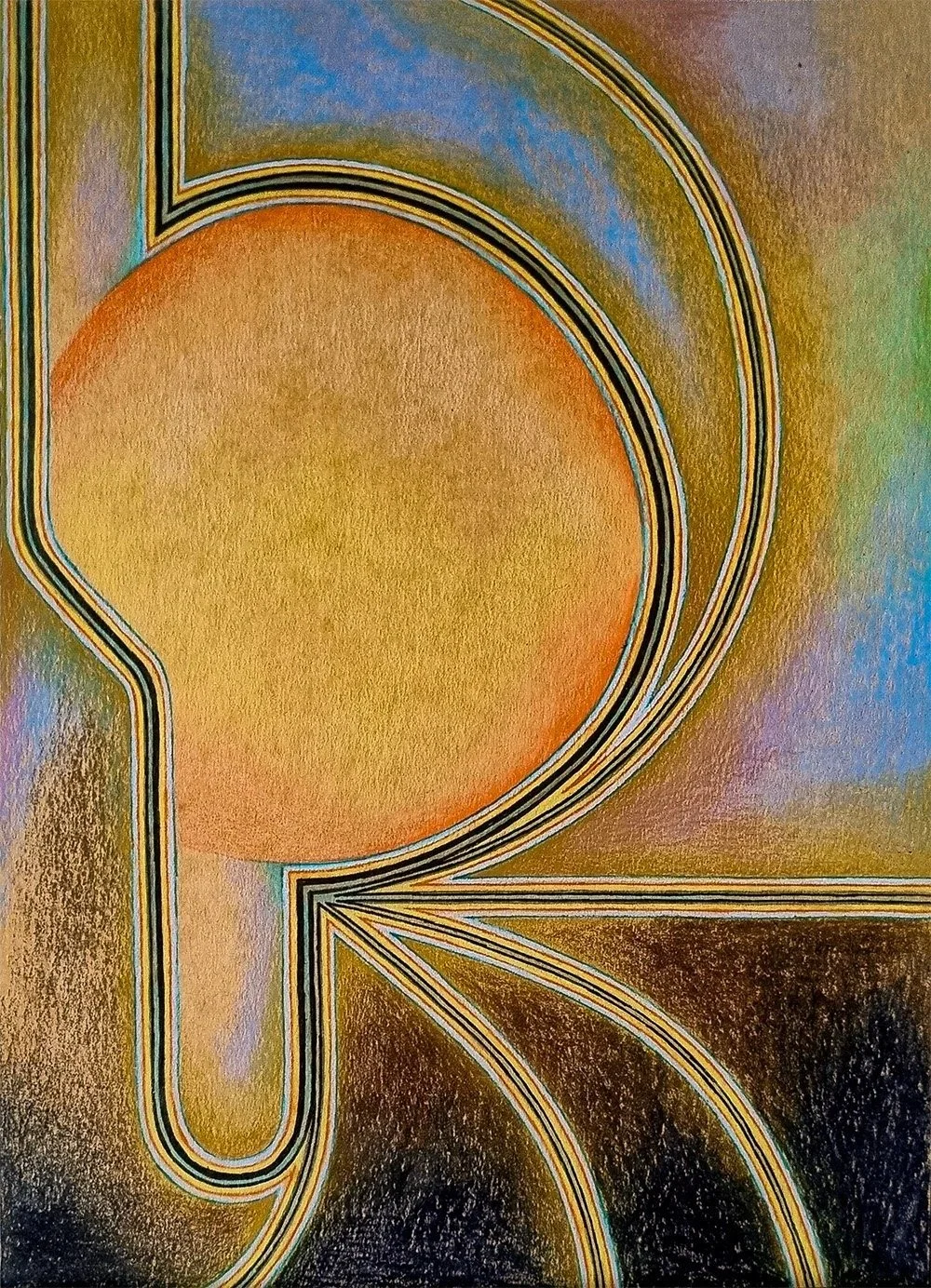
A CALLING CARD
My sister thinks I'm allergic to money. At first I was indignant, then it sank in: you can only be found once you're visible. On creatives and marketing, the value of art as the language of the soul, and how my website became my calling card.
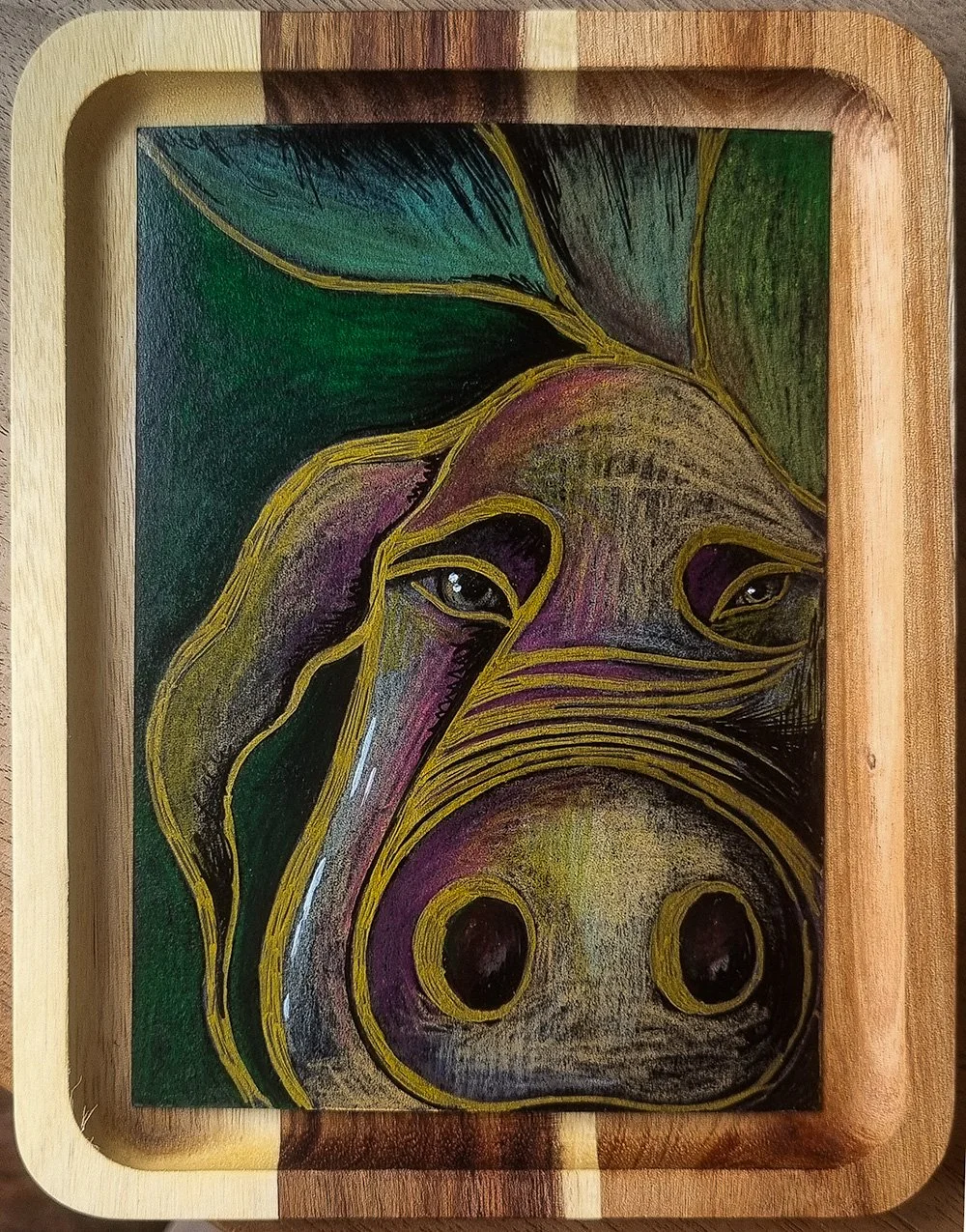
FARMERS IN THE FOREST
From the series Bright Spots
Piglets. I can't help it, I think they're wonderful, with their glorious, chubby, gloriously filthy little snouts, their lovely grunting and their rooting about in the earth. They seem so playful and uninhibited. That's very much my thing: that mud-caked delight in play. When my child comes home filthy from top to toe after a day playing outside, my heart lifts a little, because he can only have had a great time. And when I see those pigs stacked up in factory farming, destined to serve as our food, the opposite happens and my heart sinks into my boots. What has become of us humans, that we think we have to treat our animals like this?
But I won't dwell on that at length, because this column belongs to the category 'bright spots'. Its aim is to show all the lovely things we humans do, the wonderful initiatives we take, and how we're capable of bringing more colour to the life around us without bending everything to our will.
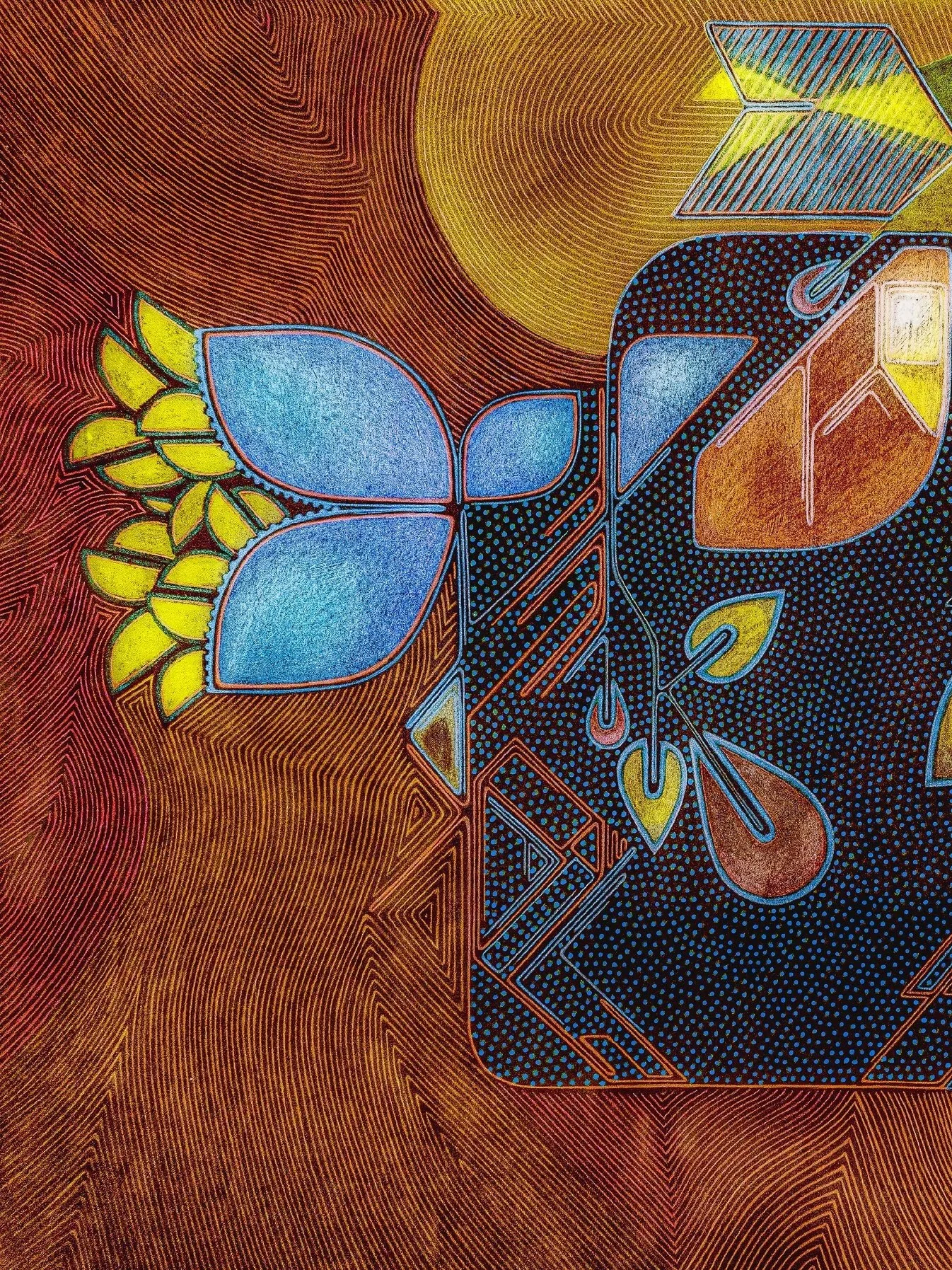
Time to Dream
The girl with the braid woven into her hair gazes out of the window, head in her hands, staring at the blue sky, the clouds drifting past, the birds darting back and forth to build their nests. It would be madness not to look outside and instead fix her gaze on the teacher at the front of the class, the grey board scrawled full of grammatical terms, the classmates staring just as blankly into space. What a strange choice that would be — an imposed choice above all, a curb on her inner freedom. Where no one else can reach, no one should be making the decisions either. Her inner world is hers and hers alone, and it's fed by wherever her gaze is allowed to wander.
"Mr and Mrs de Vries, surely you understand that it's highly unusual for your daughter to stare out of the window like that and show so little interest in her lessons?" The father and mother nod. They hardly know what to say. Their daughter is simply like that. They've never known her any other way. The mother plucks up her courage and ventures a question in return. "Is she falling behind because of her dreaminess?" The teacher, whose mouth has now set into a grim line, looks at her and sighs. "No, her marks are good… that's not the problem." The mother has to bite her tongue, because then what on earth is the problem?
That girl was me. (…)
'Time to Dream' — graphic print | drawing (edition of max. 10) | 37.5 × 27 cm | 2013
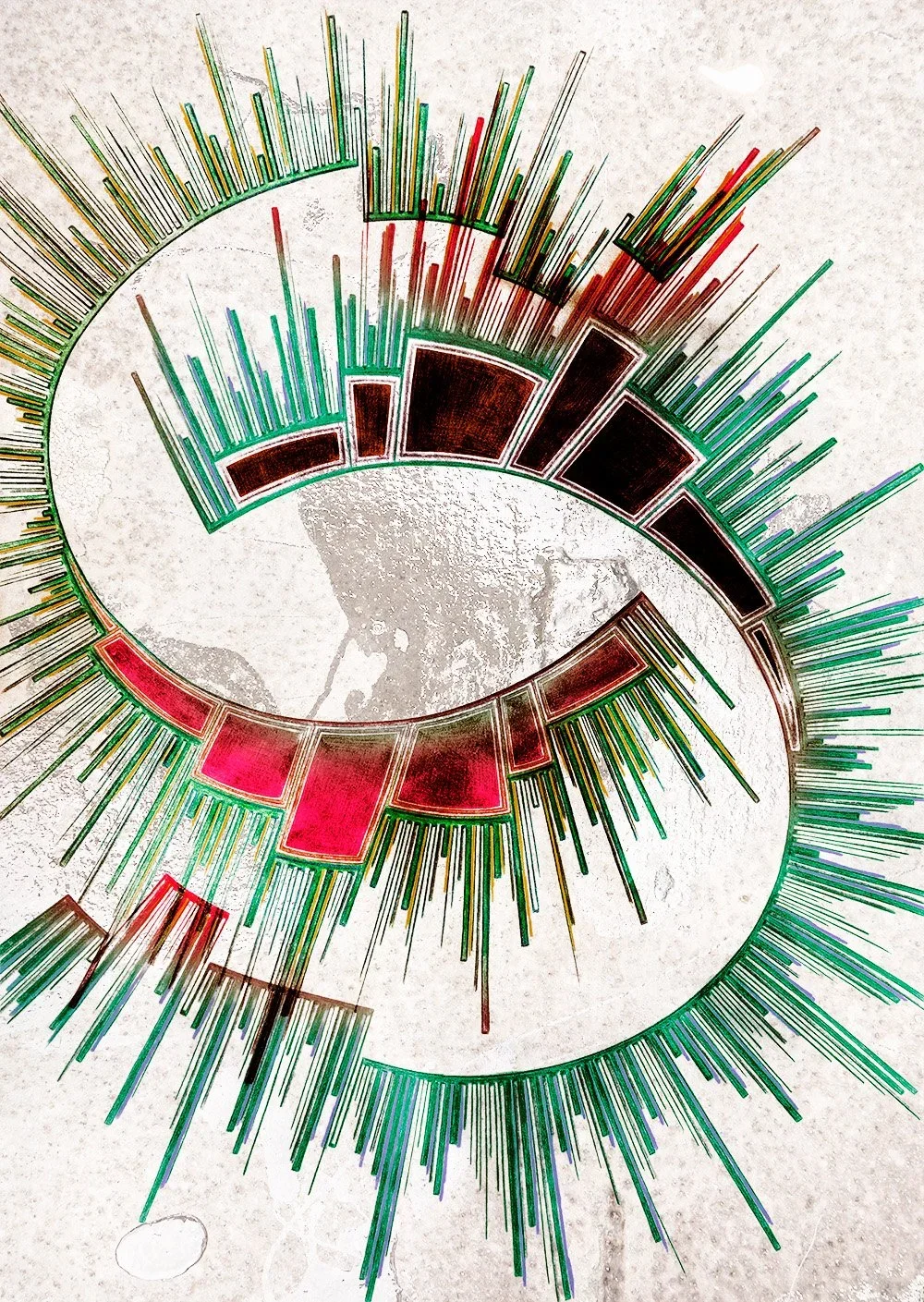
EQUANIMITY
If you happen to be one of those sunny sorts who walks through the world with nothing but optimism and good cheer in their sights, then this post probably isn't for you. This one is for the people who can be just as happy as they are sad and angry, and who sometimes don't know what to do with the sheer intensity of it. A small sample from my own life, by way of illustration.
A few days ago I was on my knees in a puddle of water in the middle of the hallway, with broken glass all around me as far as I could see. How the glass got there matters less than how I responded to the unrelenting fact of it. Mitigating circumstances? I was tired, I had a cold, I'd had a long day, and I felt as though I already had one foot in the evening's wind-down, since my child was nearly in bed. But no. I wasn't going to be putting my feet up just yet. I was going to be fishing glass out from behind the skirting boards, hunting for a vacuum cleaner that actually worked (quite the undertaking, as it turned out), shaking out towels full of water and glass and wringing them out on a wing and a prayer, and I was going to come apart… Yes. There it is. The simple task of cleaning up broke me on the spot, and once I'd admitted to myself that I could barely keep track of these few straightforward actions, the tears wouldn't stop. (…)
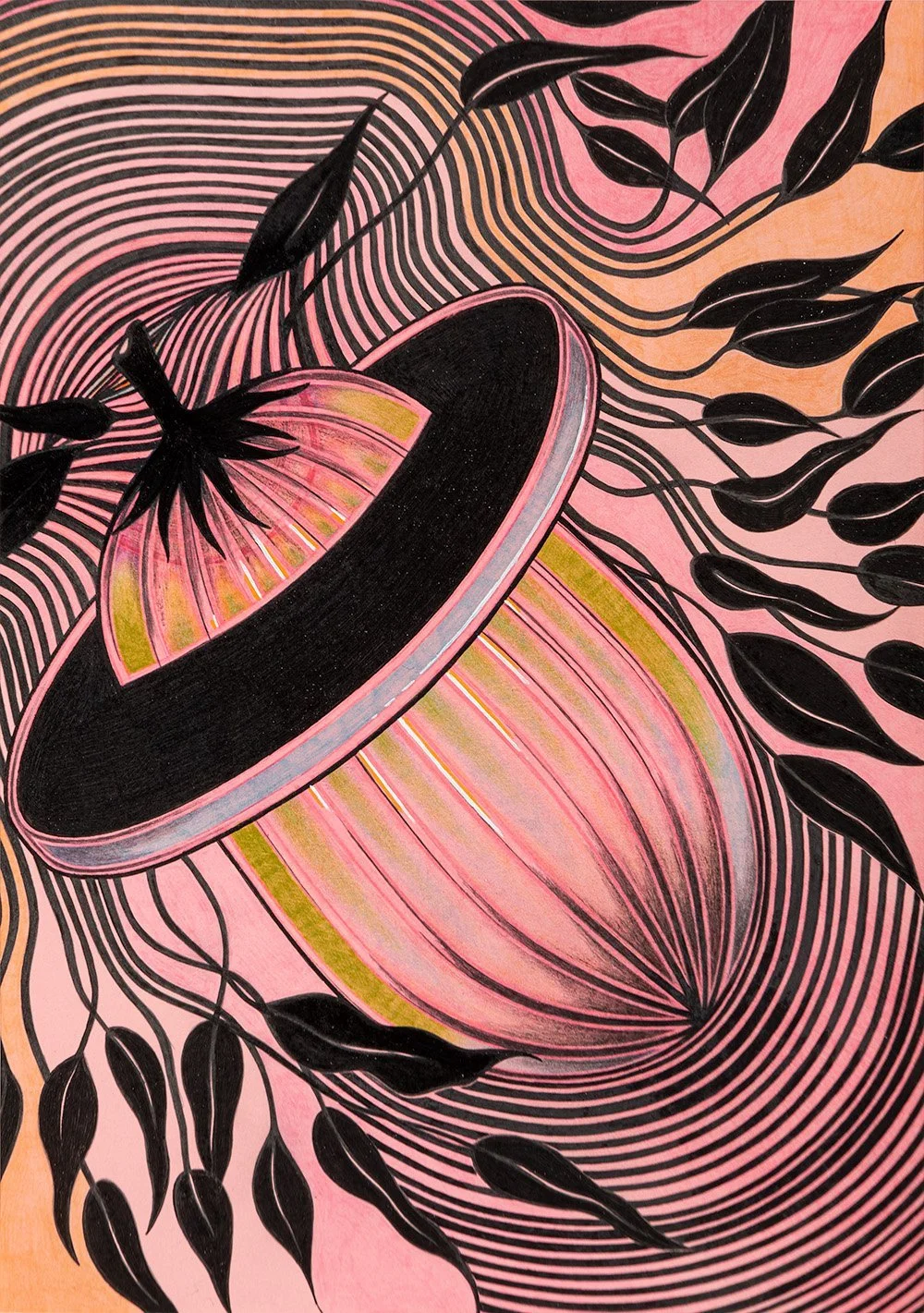
'Fireworks' - digital graph art 39 x 28 cm | 2016
Something to Keep You Quiet
The history books tell us that around 1800, babies who wouldn't stop crying were given a dummy smeared with sugar, or a little cloth bag of sugar to suck on — a 'sugar tit', as it was rather bluntly called back then — and it settled them nicely. The Americans still carry that logic in their word for the object: a pacifier. Something that makes you peaceful. Quiet. In Dutch we call it a zoethoudertje, literally a little something to keep you sweet, and we use it for anything you're handed to stop you complaining — which may also explain why a well-behaved Dutch child is called a zoet child, a sweet one. As far as I'm concerned, this tiny scrap of history already makes clear how desirable it was, even then, to silence a human being — a very small human being, no less — temporarily. And sugar was an effective means to that end.
Why is sugar so tempting? The need for it is existential in nature, and our brains are programmed for it. Long ago, finding something sweet, in the form of fruit, was rare, and it meant two things: quick energy and safety (hunger temporarily lifted). And here too the word dopamine comes into play, because that's the 'wanting' chemical (people also call it the happiness chemical, but nuance matters here) that's produced the moment sugar enters the human system. It drives you toward the reward and it stirs your longing — longing for more. So the joke is that we're biologically kept sweet by Mother Nature (you aren't satisfied, you're kept talking). Because for survival's sake it matters that you keep going out to look for it. (Bitter plants, by contrast, were often poisonous — no neurological reward.) A 'flawless' system that worked well back when we still took our food from nature and understood our body's signals rather better.
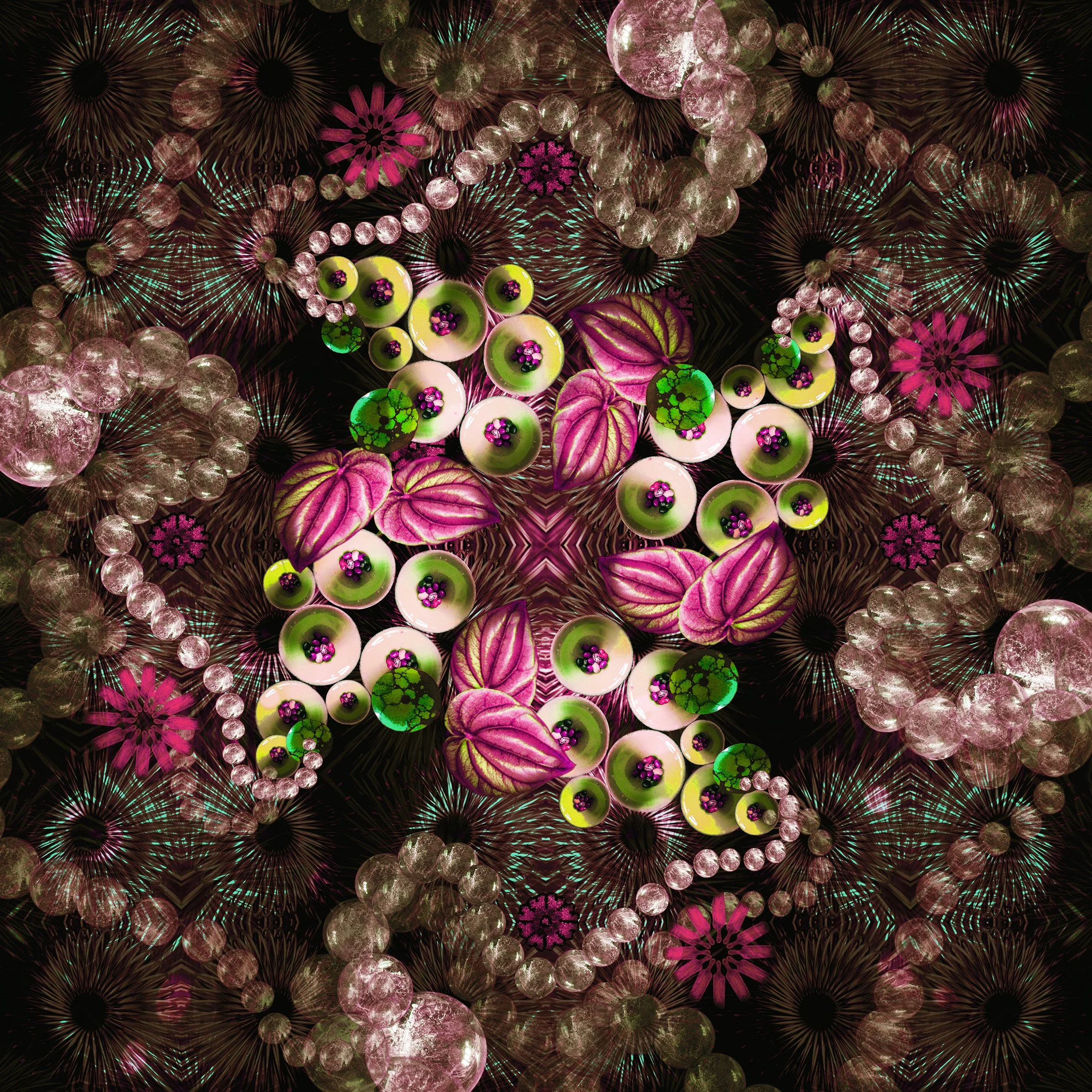
'Beautiful Jungle' — digital art collage from the You + Me series | 90 × 90 cm | 2016
Language as Reality
I keep discovering that long before I’ve finished my sentence, a translation has already taken place on the other side. And if he — one of my two men — doesn’t like what he’s (…)
The Pot and the Lid
How many pots have truly found their matching lid? Raise your hand, all of you, if you're the lid or the pot of the perfect fit. Or does it secretly rattle? Would the lid have sat just as nicely on another pot — or is there such a thing as a seamless fit? What do individualism and monogamy actually mean for the way relationships develop, and, far more importantly: what do they mean for how happy we feel? Are we doing well on that front? Was it always this way? How are the neighbours getting on? And how about in nature? And does it mean that people who have separated from their partner — in the Netherlands roughly a third of marriages founder — that they (we, I'm one of them) are relational failures? Or are there mitigating circumstances?
If only you knew how badly I want the answers to these questions. Not merely so I can adopt a more suitable attitude in my own relationship, but also because I have the feeling there's something to be gained here, for humankind. (Pfff… what do you mean, setting the bar high.) Somewhere along the way I've arrived at the notion that yin and yang together might just make 'one and one is three'. That if we lay the puzzle pieces together in the right way, we are more than the sum of our parts, and that then we're there, we humans. That we'd finally have worked it out. How to be whole. Am I being naive? Is this wishful thinking on my part?
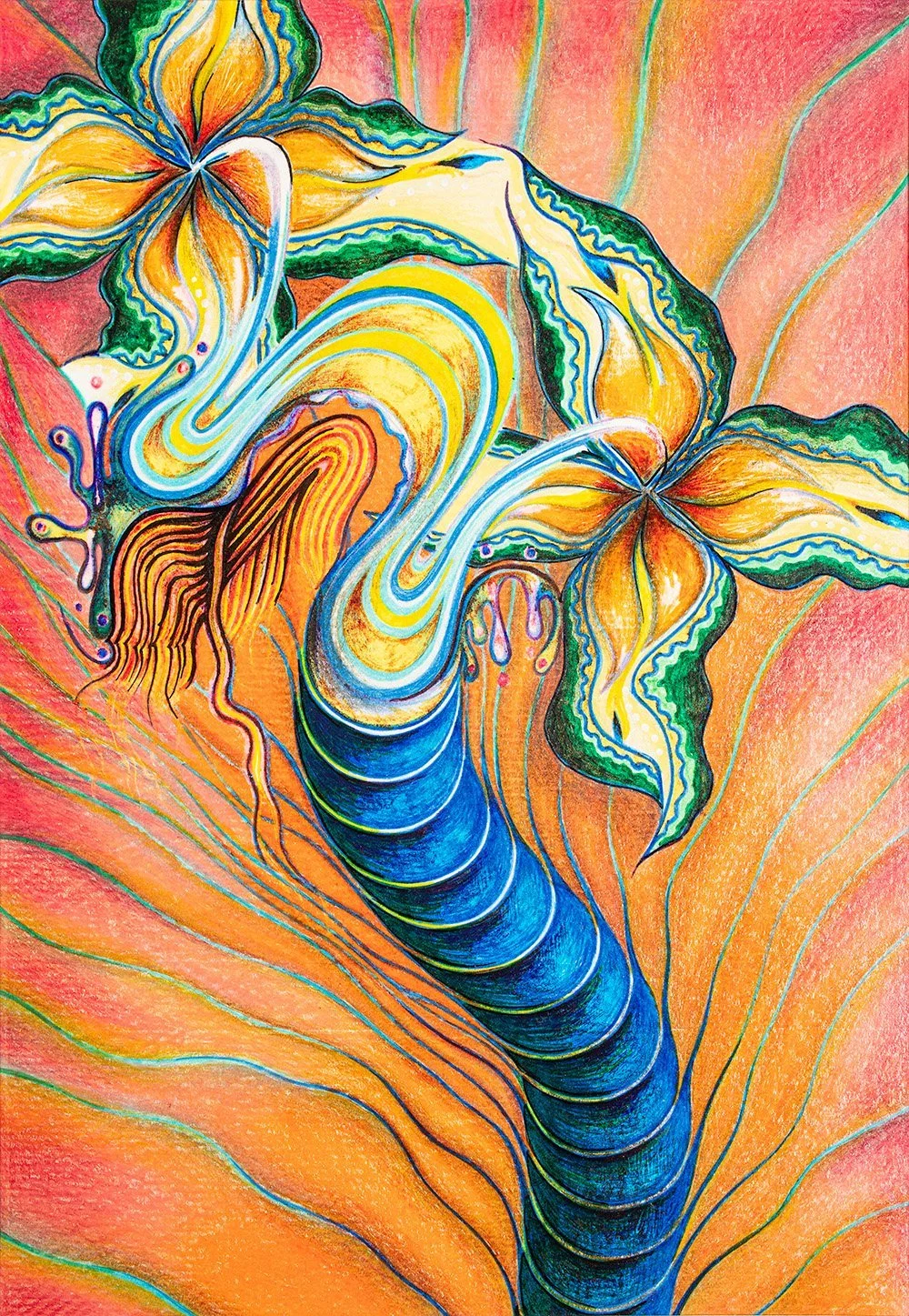
‘Fertile’ - drawing 28 x 20 cm | 2023
PATIENCE
Patience is the word that keeps looking at me from my screen… expectantly. It's only the beginning; the first words of my column are forming cautiously and asking for more, for a few philosophical footnotes, for perspective, another angle, context. Normally I've got everything I want to say about a subject, my reflection on it, down on paper within the hour. But this word is toying with me, challenging me, unsettling me. It pulls me out of my comfort zone, and I've already picked an entirely different subject twice, just so I could avoid this one. I don't want to face it; I want to withdraw from what will come of it, from what will probably turn out to be the conclusion: that waiting — on others, on confirmation, on attention, on cooperation, on a sense of belonging, on love… — that it all comes down to the same thing. You can only draw it from yourself, give it to yourself, expect it of yourself, and should the other care to join in, that's the bonus, the little extra. Patience is the word standing in the way of my longing — longing for more, better, bigger, faster… Patience is the guardian of contentment, gratitude, fulfilment, acceptance.
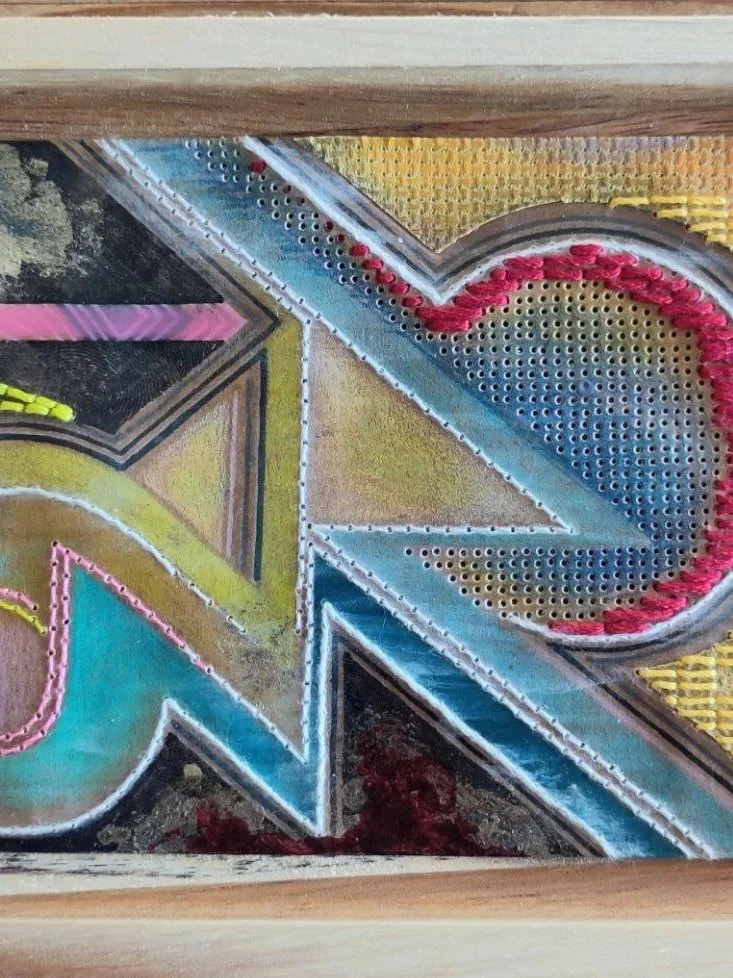
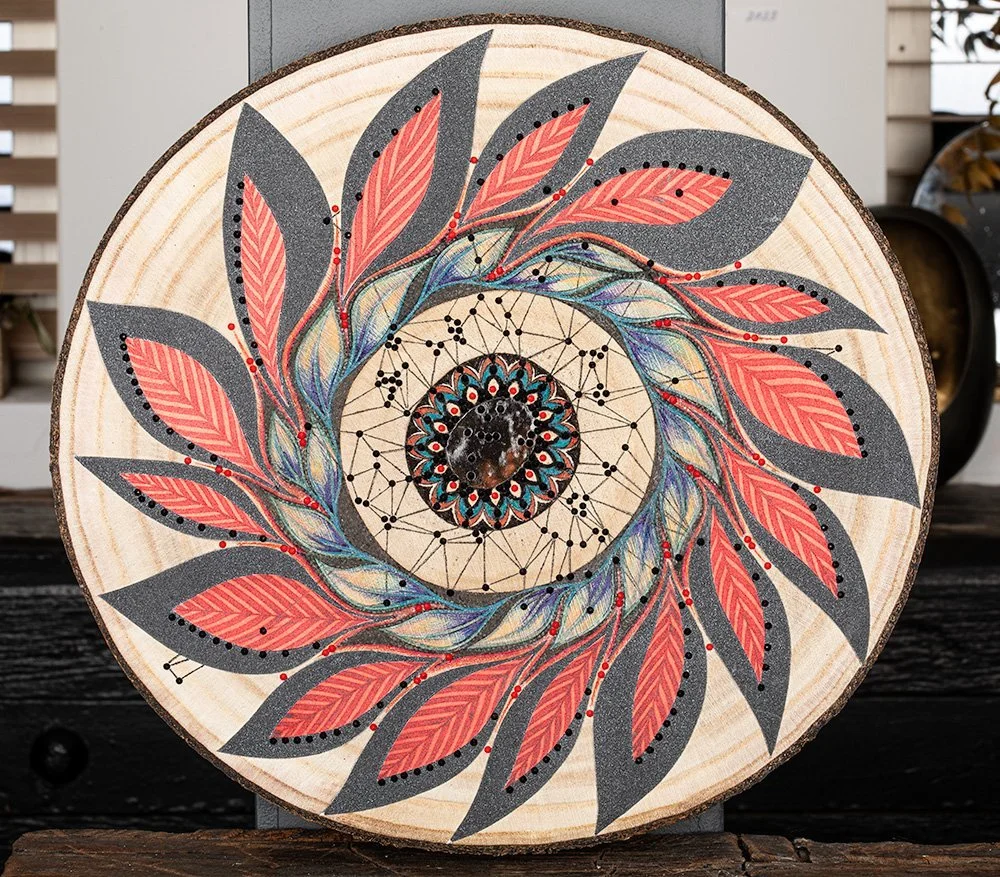
'With the Speed of Light' — mixed media in a wooden frame [experimental] | approx. 14 × 11 cm | 2025 — SOLD
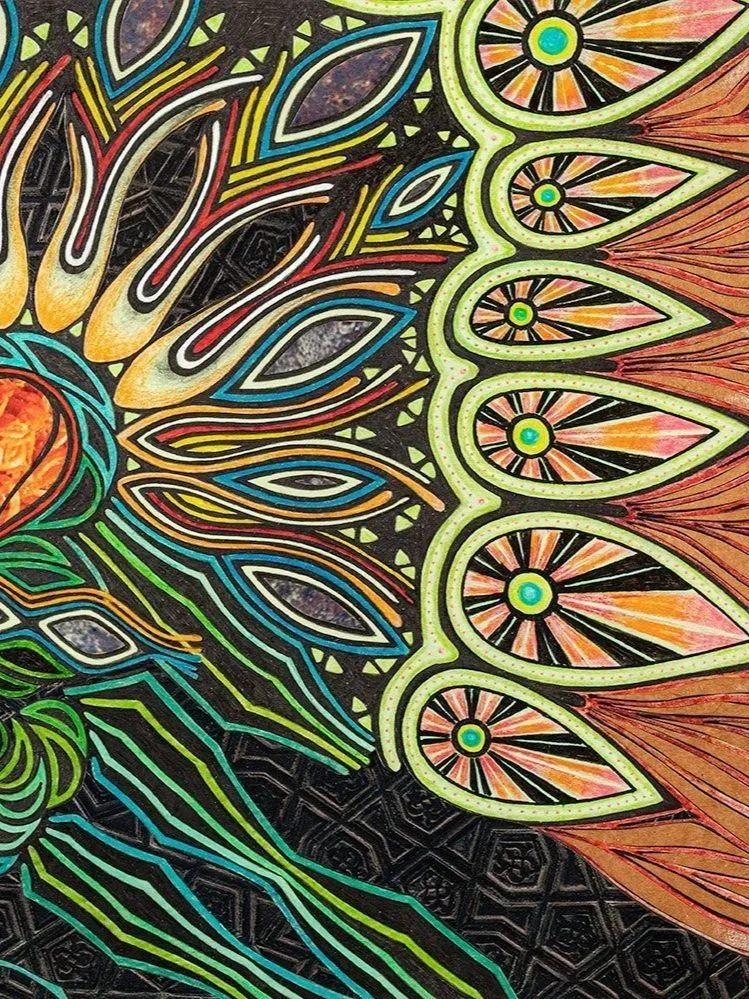
Angels on Earth
There are those people — the angels on earth, I suspect — who are able to keep on giving, no matter how much they’ve already given. Today I spoke with one of those remarkable (…)
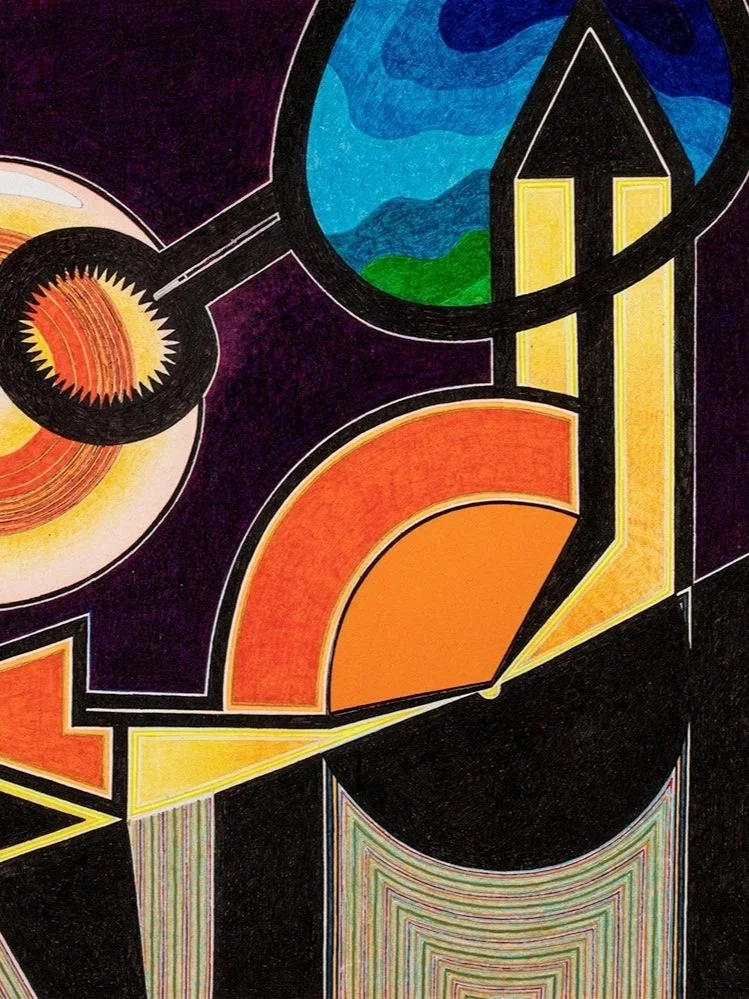
Doctrine of Time
‘How time flies!’ I can’t recall ever having those words in my mouth as a twenty-year-old. Now I feel them on the tip of my tongue at every turn. I still don’t use them — they (…)
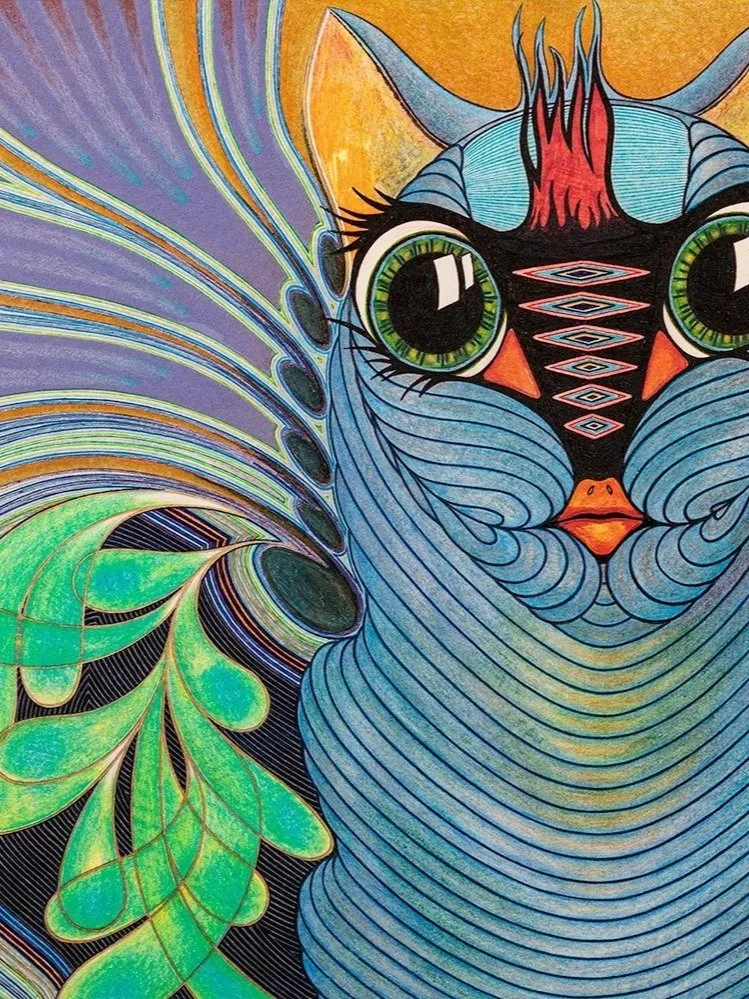
The Logic of Happiness
How do you write about happiness without turning maudlin the moment you start. A good friend, who also reads my stories, nudged me to give it some thought. As chance would have it, much earlier in time I’d once held a book at my sister’s place, by a former Google employee, if I remember rightly, who thought he’d found the formula. Naturally the book became a bestseller — because drinking from the magical fountain of prosperity, good fortune, and wellbeing is something we all want. Whether it actually offered any practical handholds, I can’t recall; what I do recall is that his background is worth mentioning. He had, you see, lost his son. A boy who was in the middle of his life, and from whom he, as a father, had to take his leave in far too short a time, and at far too young an age. (…)
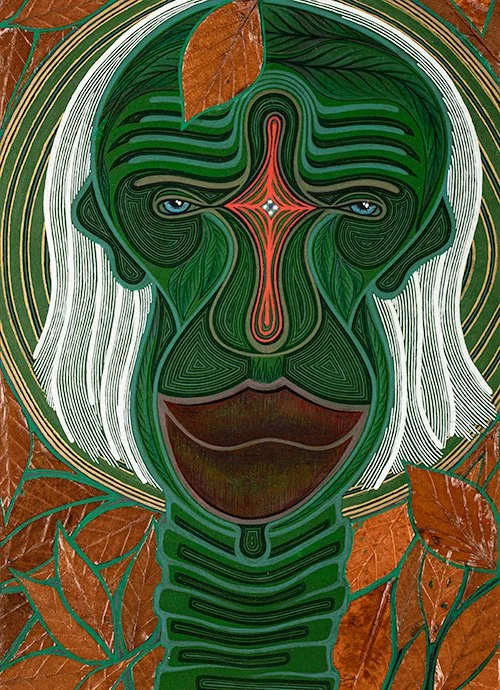
Holy Man of Nature
This piece is now in my brother-in-law’s hands, which I consider a real honour. And yet I miss it. Something sacred emanates from it — an unmoving calm and a quiet certainty. It’s (…)
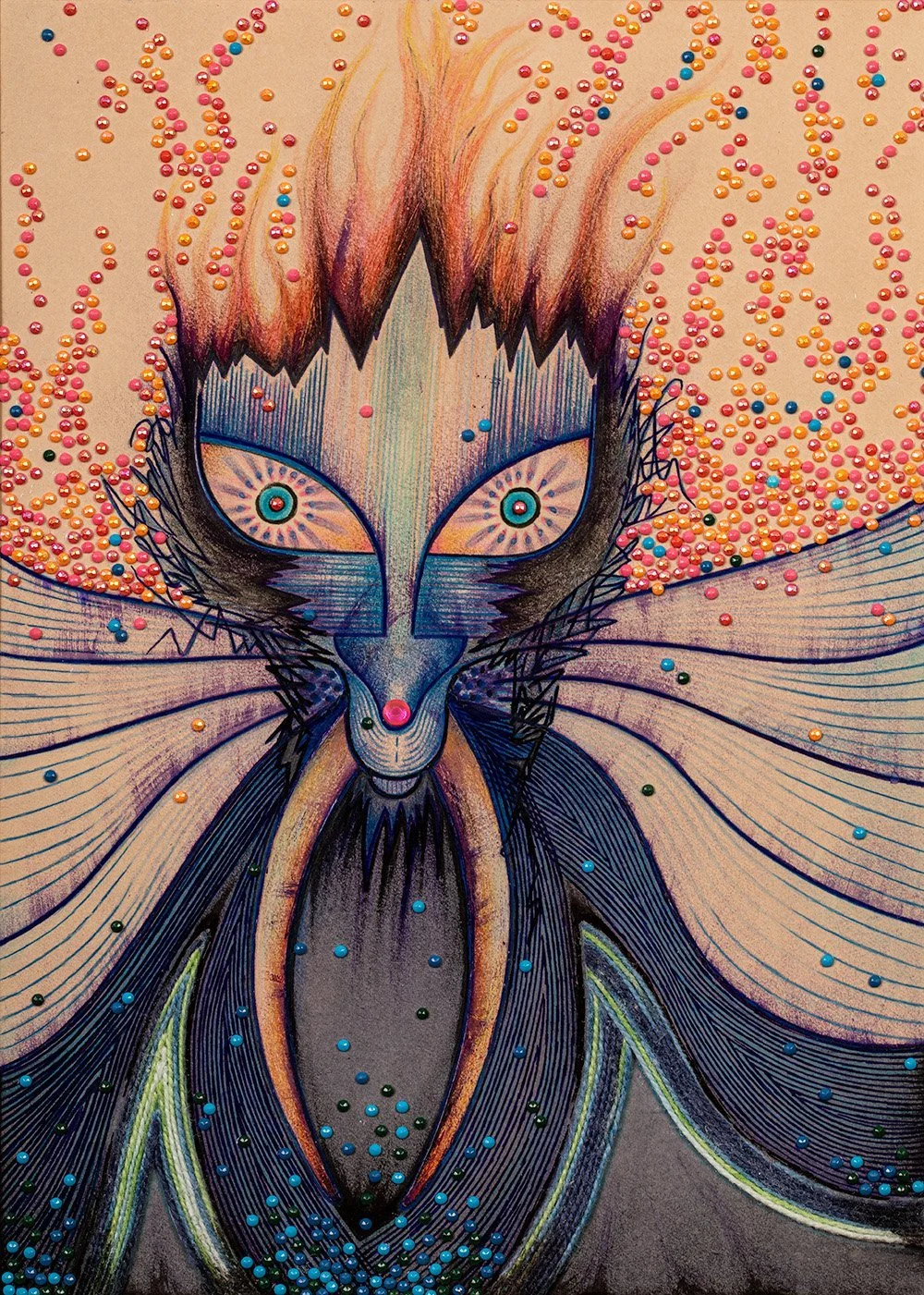
Talking It Out, or Silencing It Out
The days seemed strung together by unspoken accusations, back and forth. Both of us had withdrawn — out of fright, out of fear. Grief hung over me like a cloak, and I could barely (…)
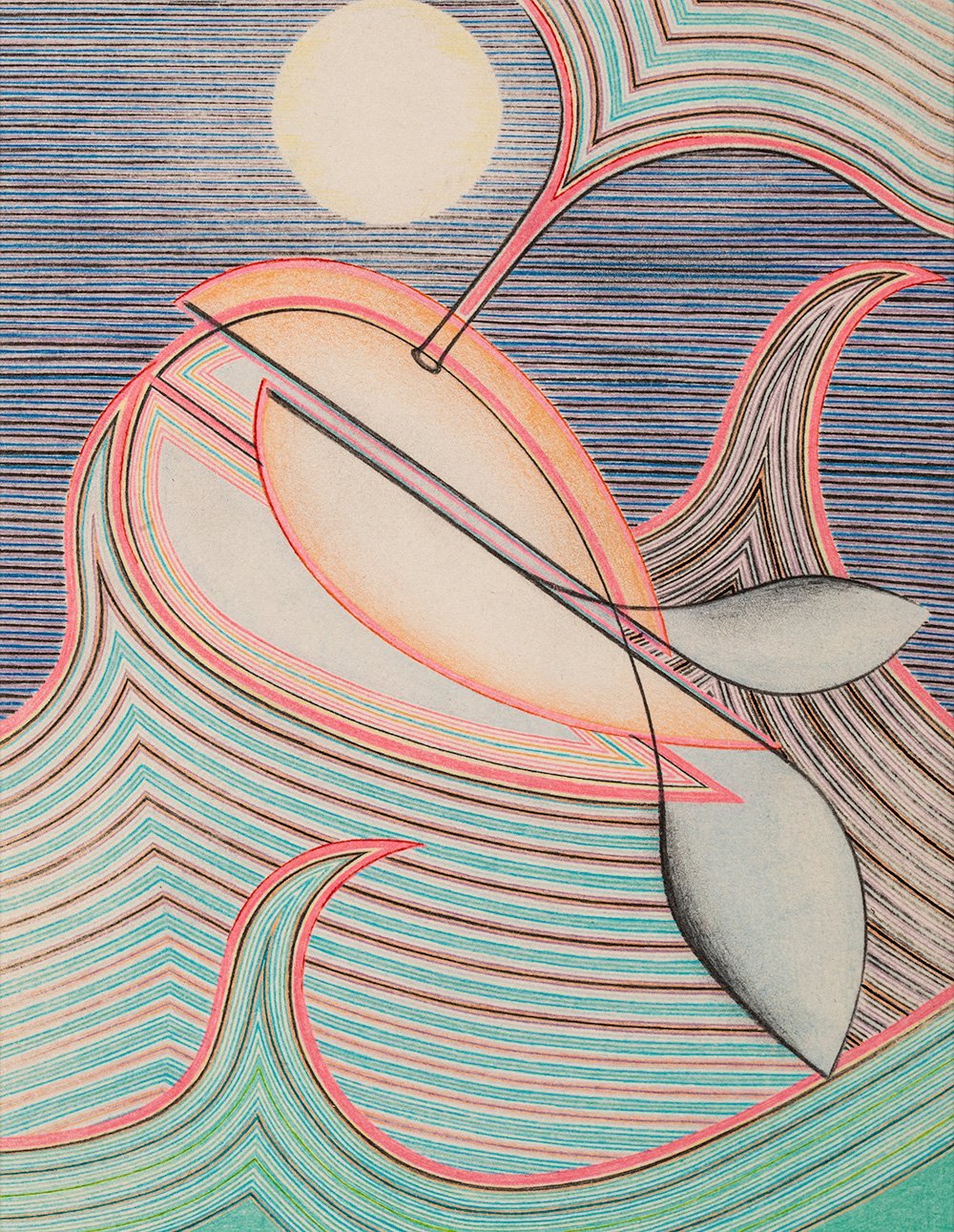
Cyclical Living
Why is one week never the same as the next, as we so beautifully put it? I don't know how it is for you, and I hope the men among us aren't (…)
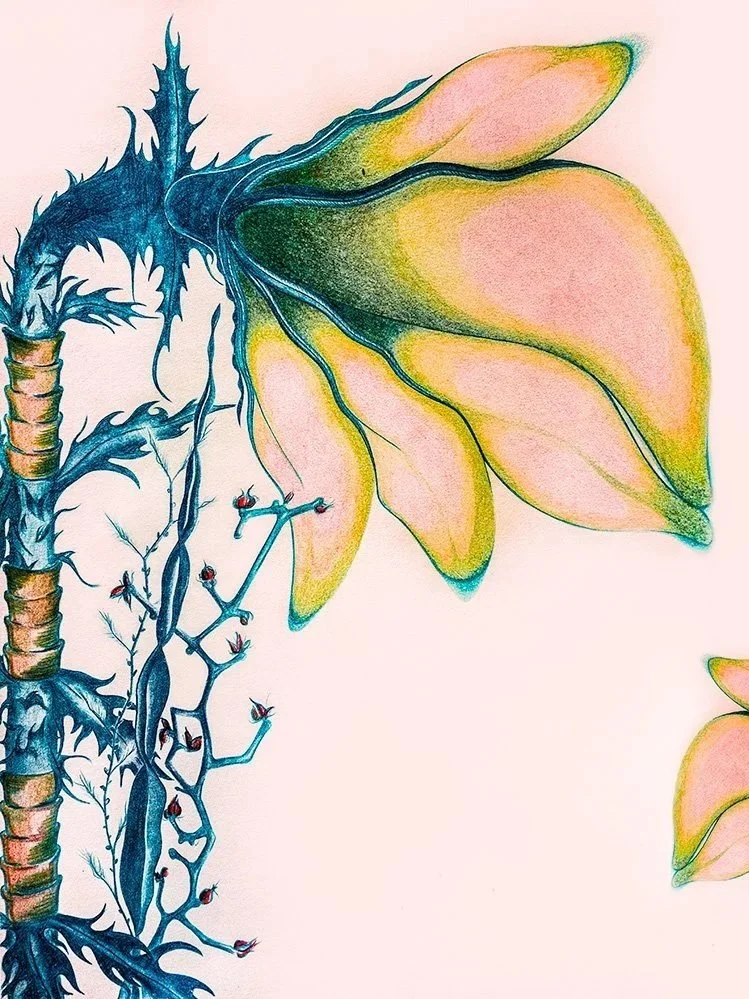
Beautifully Imperfect
In conversation with a friend last weekend, the course of our talk reminded me once again of the why behind these personal reflections that I subsequently land on your plate. I have (…)
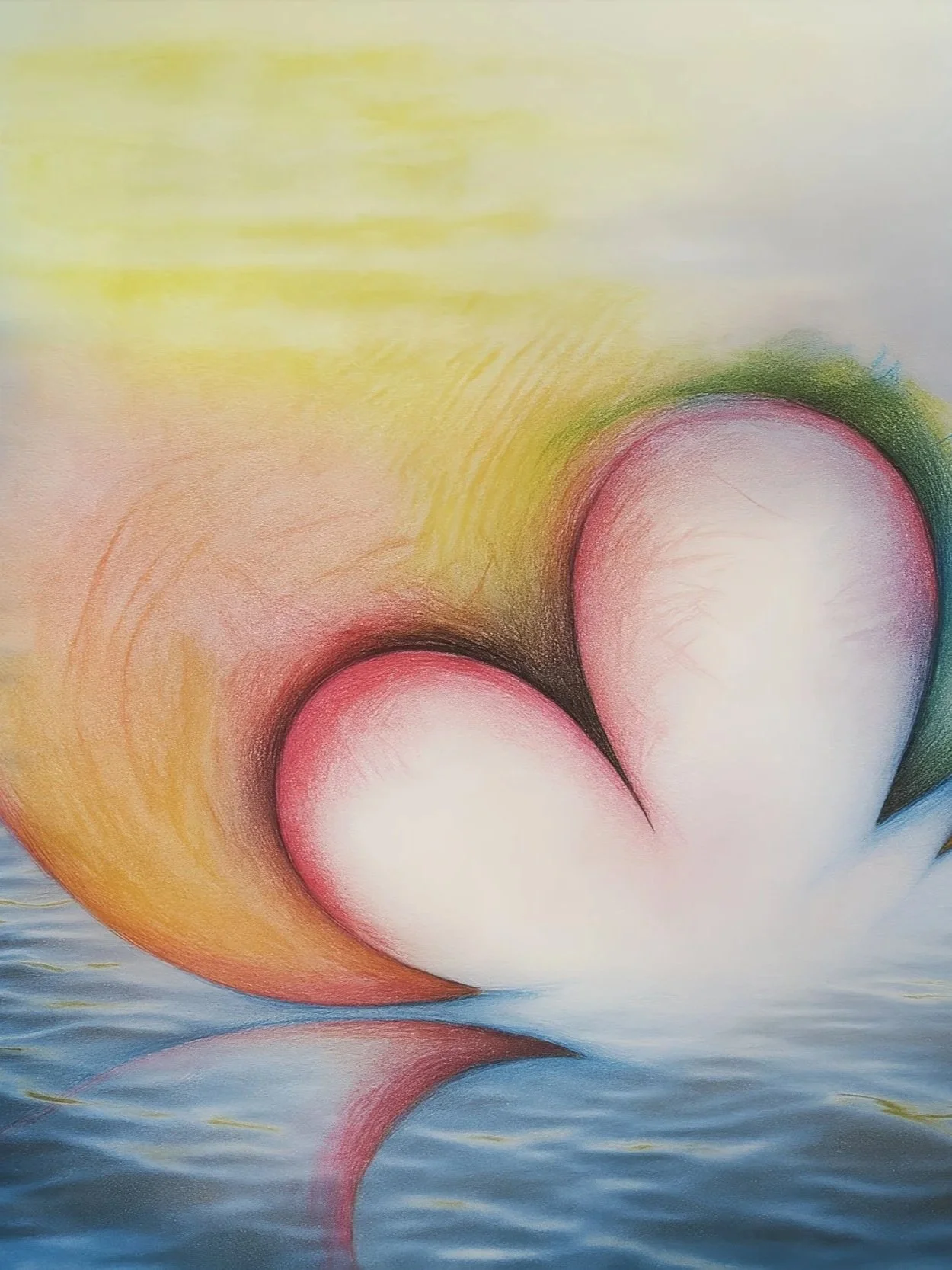
Grateful
Decades ago now, I was made aware by a pastor from Kansas City who appeared on a television show that moaning, complaining, expressing your dissatisfaction, being pessimistic and/or judgmental actually shapes your (…)
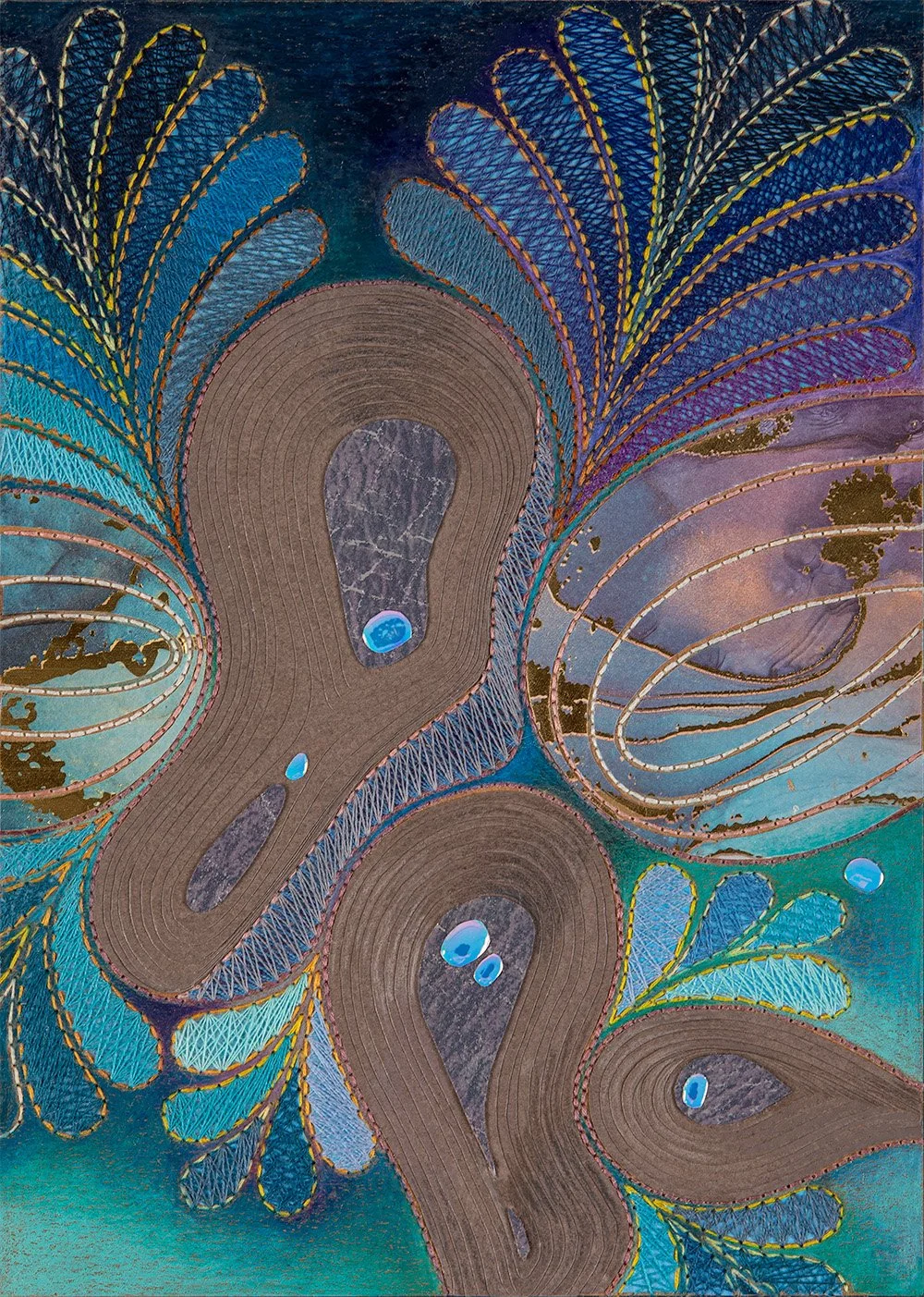
Majestic Water
On Omaria (from the book Omaria, The Night Travellers) water has special powers. I discovered this during the writing process (that's what happens with intuitive writing ;-) and the magic of it (…)
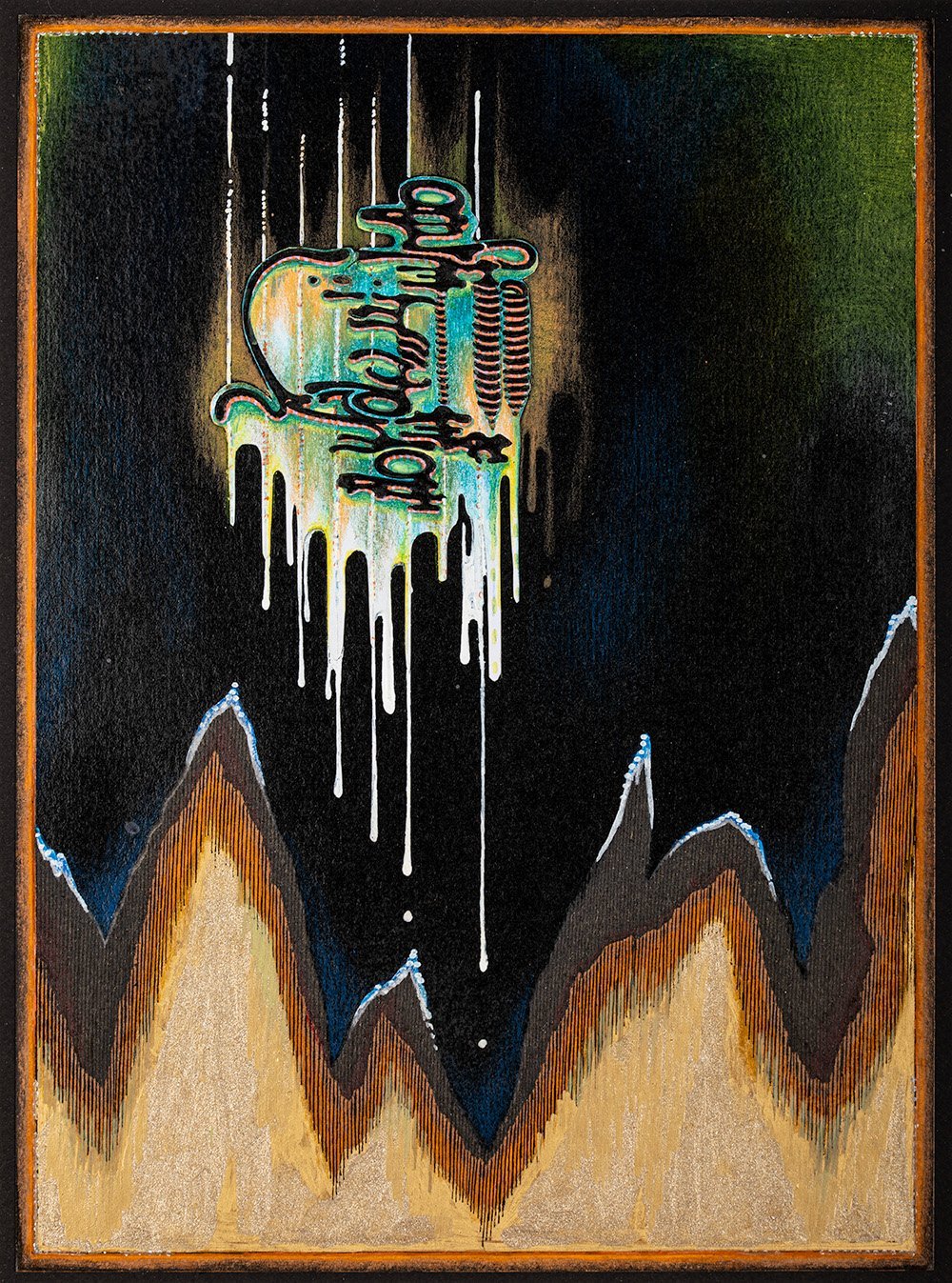
Projectifying
You can take this (new) word in at least two directions, and in practice that turns out to be the case. It can be interpreted as a derivative of projecting, which I (…)
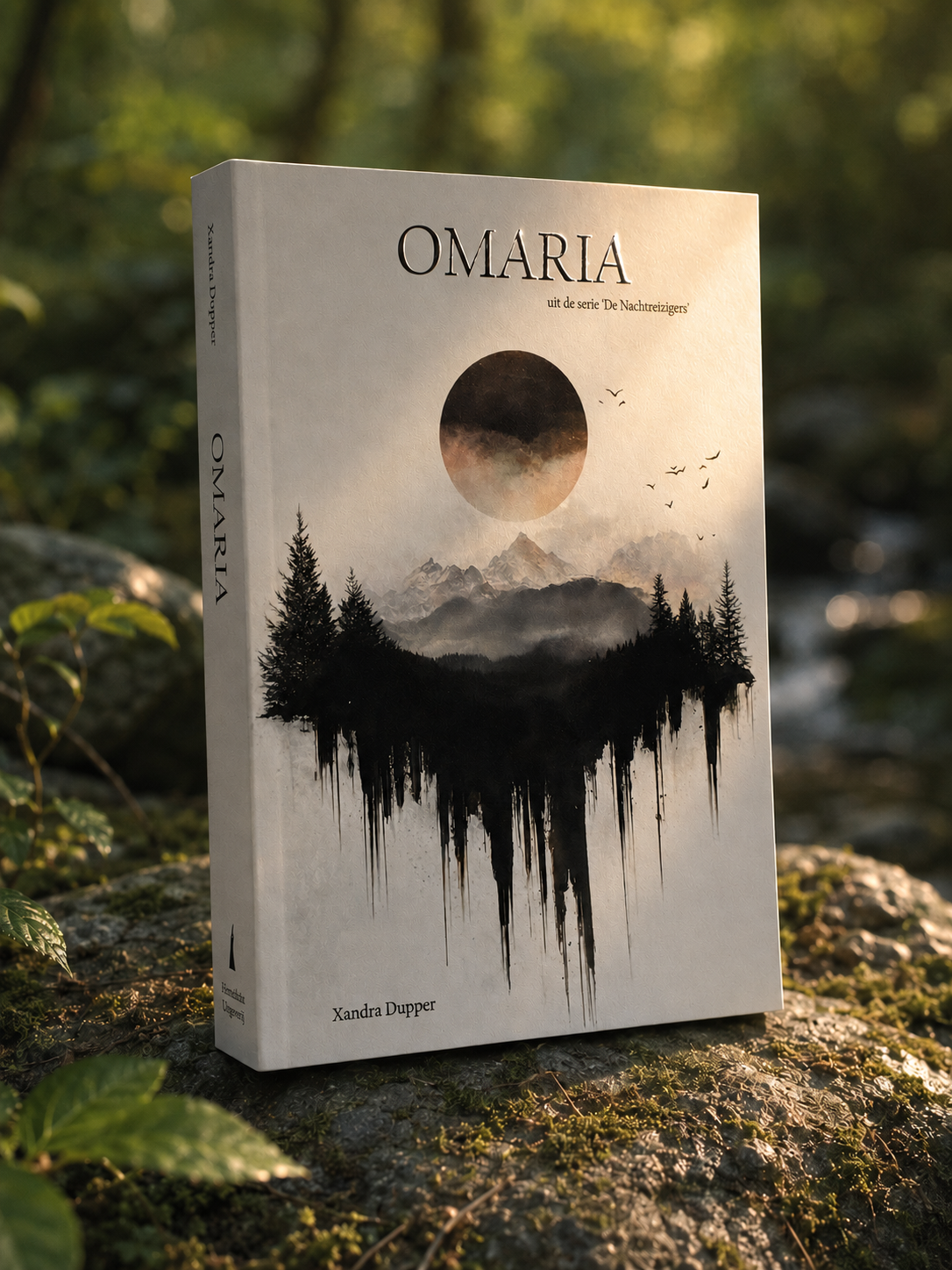
Here It Is
My book, Omaria, rolled off the press last week, just in time to be ready for yesterday's book launch. How wonderful that so many of you could be there. It moved me (…)